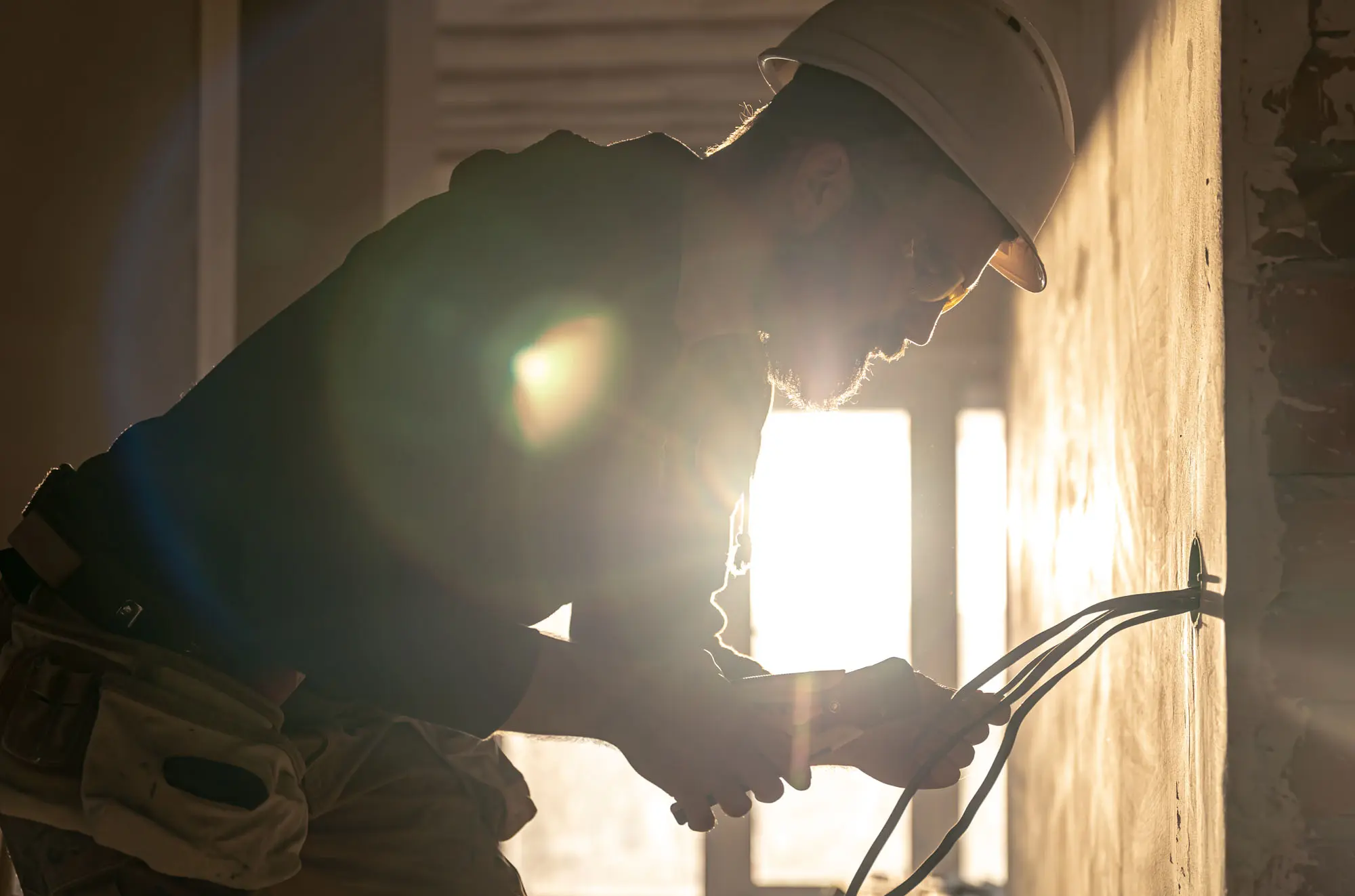
Taking on a home renovation can feel exciting and overwhelming at the same time. Whether you’re remodeling a kitchen, updating a bathroom, finishing a basement, or tackling a whole-home renovation, preparation plays a major role in how smoothly the process goes.
Many homeowners spend weeks choosing finishes and layouts but forget about the practical side of getting their home ready for construction. Knowing how to prepare for a remodel ahead of time can help reduce stress, protect your belongings, and keep your project moving efficiently once work begins.
This step-by-step home renovation checklist walks through the key things homeowners should do before construction starts.
Step 1: Define the Scope of the Renovation
Before demolition begins, it’s important to clearly understand what’s included in the project.
For example, a kitchen remodel may involve cabinets, flooring, plumbing, lighting, and structural changes. A larger home renovation could include multiple rooms, electrical upgrades, HVAC work, or additions.
Understanding how to prepare for a kitchen remodel (or any other kind of remodel) starts with identifying the following:
- Which rooms are being remodeled
- What problems you want to solve
- Your must-have features
- Your budget range
- Your ideal timeline
This stage helps create realistic expectations before work begins. It also helps contractors provide more accurate estimates and planning guidance.
Step 2: Hire the Right Remodeling Contractor
One of the most important parts of any house renovation guide is choosing the right contractor.
Look for a remodeling company that has experience with projects similar to yours, especially in the Chicago area where permitting requirements, weather conditions, and older home construction can create unique challenges.
When comparing contractors, ask about:
- Licensing and insurance
- Project management process
- Communication expectations
- Timeline estimates
- Permit handling
- Experience with older homes
- Subcontractor coordination
A good contractor should walk you through the renovation process clearly and help identify potential issues before construction begins.
Step 3: Finalize Designs and Material Selections Early
One of the biggest causes of remodeling delays is waiting on decisions or materials after construction has already started.
Before work begins, try to finalize:
- Cabinet selections
- Flooring materials
- Tile
- Countertops
- Plumbing fixtures
- Paint colors
- Appliances
- Lighting fixtures
Backorders and shipping delays can impact schedules significantly, especially for custom products.
Having selections made in advance allows contractors to order materials early and avoid unnecessary downtime during the renovation.
Step 4: Understand the Project Timeline
Every renovation project has a different timeline depending on complexity, permitting, inspections, and material availability.
Ask your contractor for a general construction schedule so you understand:
- When demolition begins
- When major systems work happens
- Inspection timing
- Installation phases
- Expected completion dates
Keep in mind that remodeling timelines can shift, especially in older Chicago homes where hidden issues behind walls are common.
The goal isn’t perfection. It’s having a realistic understanding of the process so you can plan around it.
Step 5: Prepare Your Living Arrangements
One of the biggest overlooked parts of how to prepare your home for a remodel is daily life during construction.
Depending on the project size, you may need to temporarily adjust how you use your home.
For example:
During a Kitchen Remodel
You may need to create a temporary kitchen setup with:
- A microwave
- Coffee maker
- Mini fridge
- Paper plates and utensils
- Portable cooktop
If the remodel is extensive, some families choose to stay elsewhere temporarily during demolition and major construction.
During a Whole-Home Renovation
You may need to:
- Relocate bedrooms
- Move pets temporarily
- Adjust work-from-home setups
- Coordinate childcare differently
- Plan for noise and dust
Thinking through these details early can make the renovation experience far less stressful.
Step 6: Clear Out the Renovation Area
Before construction starts, remove as much as possible from the work zone.
This includes:
- Furniture
- Wall art
- Electronics
- Rugs
- Curtains
- Decorative items
- Breakables
Even in areas not directly being remodeled, dust can travel farther than many homeowners expect.
If possible, store valuables and delicate items in sealed containers or rooms away from the renovation area.
For kitchen remodels, empty all cabinets and pantry areas before demolition day.
Step 7: Protect Areas Outside the Construction Zone
Professional contractors typically install dust barriers and floor protection, but homeowners can still take additional precautions.
Consider protecting:
- Adjacent flooring
- Furniture in nearby rooms
- HVAC vents
- Stairways
- Entryways
Construction traffic can impact areas well beyond the main remodeling space.
If you’re wondering how to prepare for a home renovation while still living in the house, protecting clean areas becomes especially important.
Step 8: Plan for Pets and Children
Construction zones can create safety concerns for both children and pets.
Loud noises, open doors, tools, and unfamiliar workers can all create stressful or unsafe situations.
Before remodeling begins:
- Decide which areas will be off-limits
- Arrange pet care if needed
- Discuss safety rules with children
- Plan alternate routines during loud work phases
Some families temporarily board pets during major demolition days to reduce stress.
Step 9: Confirm Permits and Building Requirements
Many remodeling projects require permits, especially when electrical, plumbing, structural, or mechanical systems are involved.
In Chicago and surrounding suburbs, permit requirements can vary significantly depending on the municipality.
Your contractor should typically handle this process, but homeowners should still understand:
- Which permits are required
- Expected inspection schedules
- Whether HOA approval is needed
- Any parking or dumpster restrictions
Skipping permits can create major issues later, especially during resale.
Step 10: Prepare for Unexpected Costs
Almost every renovation project encounters some surprises.
In older homes especially, contractors may uncover:
- Outdated wiring
- Water damage
- Structural issues
- Plumbing problems
- Code violations
- Mold or moisture damage
A good rule of thumb is to set aside a contingency budget beyond the original project estimate.
Many homeowners reserve roughly 10–20% of the renovation budget for unexpected conditions or upgrades discovered during construction.
Step 11: Establish Communication Expectations
Clear communication helps renovations run more smoothly.
Before work begins, discuss:
- Who your main point of contact is
- How updates will be shared
- When decisions need to be made
- How change orders are handled
- Expected working hours
Knowing how information will flow throughout the project helps reduce confusion and frustration.
Step 12: Mentally Prepare for the Process
Even well-planned renovations can feel disruptive at times.
There may be noise, dust, scheduling adjustments, and occasional delays. That’s normal in construction, especially with larger remodels.
The key is remembering that remodeling is temporary, but the results can improve how your home functions and feels for years to come.
Having a realistic mindset going into the project often makes the experience far more manageable.
Final Thoughts on Preparing for a Remodel
Learning how to prepare for a remodel is about more than picking finishes and hiring contractors. The preparation phase helps create a smoother construction process, fewer surprises, and a better overall experience.
A well-organized renovation checklist can help homeowners feel more confident before work begins, especially during larger projects like kitchens, additions, or whole-home remodels.
Whether you’re planning a single-room update or a major renovation, preparation makes a significant difference in how successful the project feels from start to finish.
If you’re planning a remodeling project in the Chicago area, Moller Builders can help guide you through the process from design and planning through construction and completion. Fill out the form below to get started today: