When most people picture a bathroom remodel, they think about tile, vanities, lighting, and maybe that dream walk-in shower they’ve been saving on Pinterest. What rarely comes up in conversation is what’s happening behind the walls and beneath the floors—the part of the project that actually determines whether your new bathroom lasts five years or fifty.
That hidden layer is waterproofing. And if it’s done right, you’ll never notice it. If it’s done wrong, you definitely will.
Why Waterproofing Matters More Than You Think
Bathrooms are wet environments by nature. Between daily showers, splashing sinks, and humidity from hot water, moisture is constantly working its way into surfaces. Without proper waterproofing, that moisture doesn’t just sit harmlessly—it seeps into subfloors, drywall, and framing.
Over time, that leads to mold, mildew, wood rot, and structural damage. And the worst part? You usually don’t see the problem until it’s already expensive.
A well-executed bathroom remodel waterproof strategy protects your investment from the inside out. It’s not glamorous, but it’s the foundation of everything else.
What “Waterproofing a Bathroom” Actually Means
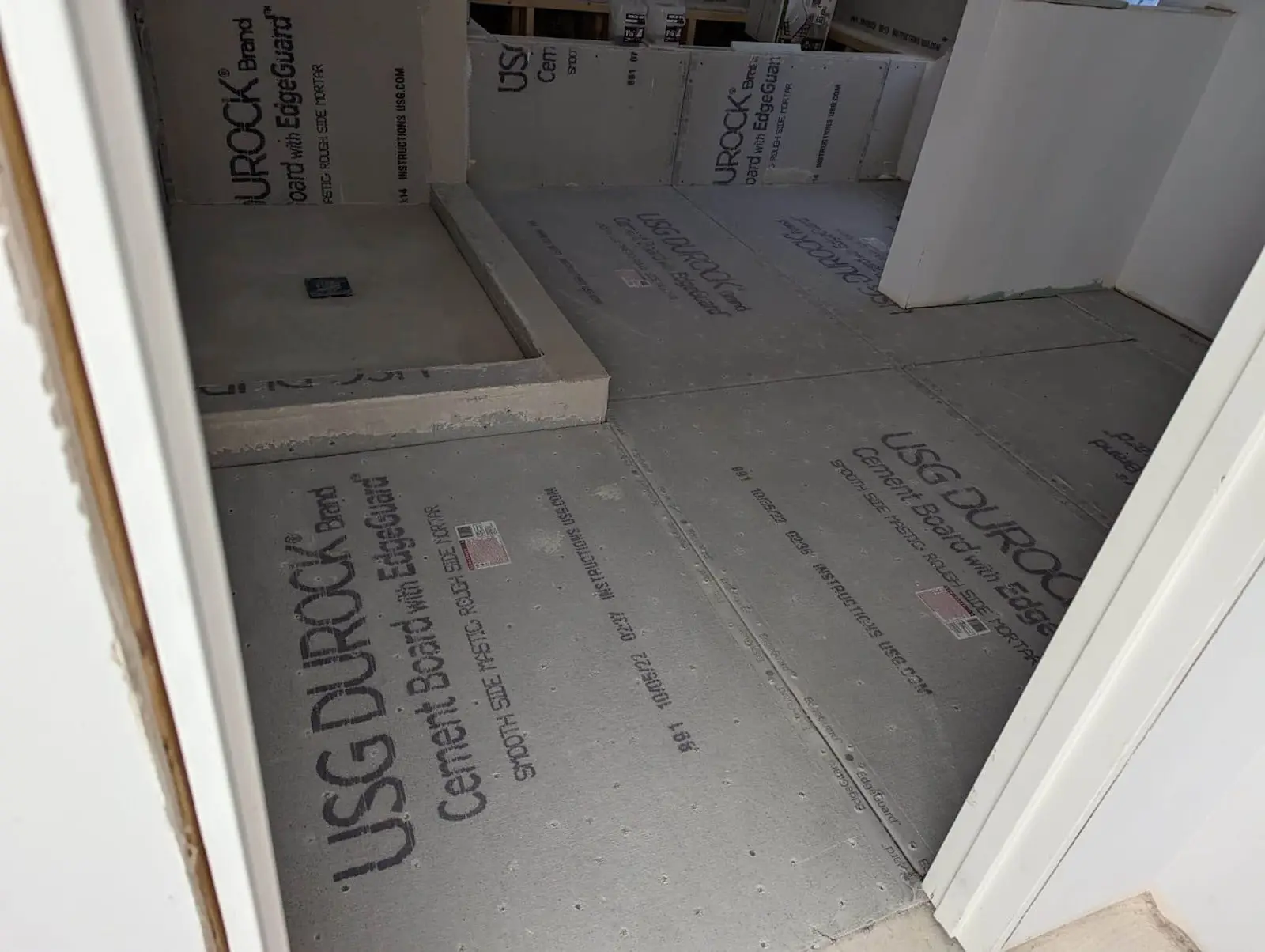
When people ask how to waterproof a bathroom, they often assume it’s just about sealing grout or applying a coating on tile. In reality, true waterproofing happens before the tile is even installed.
It involves creating a continuous barrier that prevents water from ever reaching the materials underneath.
This includes:
- Waterproof membranes behind walls and under floors
- Proper sealing around joints, seams, and corners
- Shower pan systems that direct water to the drain
- Vapor barriers to control humidity within walls
Think of it like building a raincoat for your bathroom, one that you never see, but absolutely rely on.
The Most Vulnerable Areas in Your Bathroom
Not every part of your bathroom faces the same level of moisture exposure. A professional bathroom remodeling contractor will pay close attention to high-risk areas where waterproofing is critical.
Shower and Tub Surrounds
This is the most obvious one. Water is hitting these surfaces daily, often under pressure. Without proper waterproofing behind the tile, water will eventually find its way into the wall cavity.
Bathroom Floors
Waterproofing a bathroom floor is especially important in full bathrooms. Spills, splashes, and even minor leaks can seep through grout lines and into the subfloor. Over time, this can lead to soft spots, warped flooring, or worse.
Around Fixtures
Toilets, sinks, and vanities may not seem like major water risks, but small leaks or condensation can cause long-term damage if the surrounding areas aren’t properly sealed.
Corners and Seams
Water loves edges. Any place where two surfaces meet—like where the wall meets the floor—is a potential entry point if not properly treated.
Waterproofing a Bathroom Floor: What to Know
If you’ve been researching how to waterproof a bathroom floor, you’ve probably come across terms like “liquid membrane” or “sheet membrane.” These are two of the most common approaches professionals use.
Liquid waterproofing membranes are applied like paint and create a seamless, flexible barrier once cured. Sheet membranes, on the other hand, are pre-formed layers that are cut and installed over the substrate.
Both methods can be effective when installed correctly. The key is proper preparation and attention to detail.
Before any membrane goes down, the surface needs to be clean, level, and structurally sound. From there, seams are carefully sealed, corners are reinforced, and the entire floor is tied into the waterproofing system of the walls—especially in wet areas like showers.
In a high-quality bathroom remodel, waterproofing a bathroom floor isn’t treated as an afterthought. It’s built into the process from day one.
Common Waterproofing Mistakes (That Cost Homeowners Big)
Unfortunately, not all bathroom remodels are created equal. Cutting corners on waterproofing is one of the most common, and costly, mistakes.
Here are a few issues that show up far too often:
Skipping the membrane altogether
Some contractors rely on tile and grout alone to “keep water out.” This is a major red flag. Tile is not waterproof.
Improper shower pan installation
If the shower pan isn’t sloped correctly toward the drain, water can pool beneath the surface, leading to mold and odor issues.
Poor sealing at seams and penetrations
Even a small gap around a pipe or in a corner can allow water to infiltrate over time.
Using the wrong materials
Not all waterproofing products are compatible with every surface. Using mismatched systems can lead to failure down the line.
These are the kinds of problems that don’t show up right away—but when they do, they often require tearing out parts of your brand-new bathroom to fix.
Why Professional Installation Makes All the Difference
You might be tempted to look up how to waterproof a bathroom and tackle it yourself. While there are plenty of DIY tutorials out there, waterproofing is one area where experience truly matters.
A seasoned bathroom remodeling contractor understands how different materials interact, how to properly prep surfaces, and how to create a fully integrated waterproofing system—not just isolated fixes.
They also know how to meet local building codes, which can vary depending on where you live. In a city like Chicago, where older homes and seasonal temperature swings are common, proper waterproofing is especially important to prevent long-term damage.
The Long-Term Value of Doing It Right
Waterproofing isn’t the part of your remodel you’ll show off to guests—but it’s the part that protects everything else.
When done correctly, it:
- Extends the lifespan of your bathroom
- Prevents costly repairs down the line
- Improves indoor air quality by reducing mold risk
- Protects the structural integrity of your home
In other words, it’s not just a line item in your budget—it’s insurance for your investment.
What to Ask Your Contractor
If you’re planning a bathroom remodel, don’t be afraid to ask questions about waterproofing. A reputable contractor will be happy to walk you through their process.
Consider asking:
- What waterproofing system do you use?
- How do you handle seams and corners?
- Do you waterproof the entire floor or just wet areas?
- How do you ensure proper drainage in the shower?
The answers will tell you a lot about the quality of work you can expect.
Bringing It All Together
A beautiful bathroom is more than what you see on the surface. Behind every stunning tile wall and sleek shower is a system working quietly to keep water where it belongs.
If you’re investing in a bathroom remodel in the Chicago area, it’s worth partnering with a team that understands the importance of doing things right from the start.
At Moller Builders, we design and build bathrooms that aren’t just visually impressive, they’re built to last. From thoughtful layouts to expert waterproofing, every detail is handled with care.
If you’re ready to start planning your project, reach out for a consultation. We’ll help you create a bathroom that looks incredible and performs just as well behind the scenes.