A bathroom remodel is one of the best ways to upgrade your home, but it’s also one of the easiest places to run into trouble if moisture isn’t handled properly.
Water is constant in a bathroom. Steam, splashes, and humidity all add up, and if your remodel doesn’t account for that from the start, you could be dealing with peeling paint, warped materials, or even hidden mold just months after the project is complete.
The good news? Most moisture problems are completely avoidable with the right approach.
Why Moisture Problems Happen in the First Place
Bathrooms aren’t just “wet” spaces, they’re high-humidity environments. Every hot shower releases steam that lingers in the air, settles into surfaces, and works its way into materials over time.
Without proper planning, that moisture can:
- Penetrate walls and subfloors
- Break down finishes like paint and trim
- Create the perfect environment for mold and mildew
- Cause wood materials to swell, warp, or rot
A successful bathroom remodel waterproof strategy isn’t just about keeping water out—it’s about managing moisture as a whole system.
Start With Proper Waterproofing (Not Just Pretty Finishes)
If you’re wondering how to waterproof a bathroom, the most important thing to understand is this: waterproofing happens beneath the surface.
Tile, grout, and paint are not waterproof. They’re decorative layers. The real protection comes from what’s installed behind them.
A professional bathroom remodeling contractor will typically include:
- Waterproof membranes behind shower walls
- Sealed joints and corners to prevent leaks
- A properly sloped shower pan that directs water to the drain
- Waterproofing a bathroom floor, especially in high-use areas
If these steps are skipped or rushed, moisture will eventually find its way in—no matter how beautiful the finished space looks.
Waterproofing a Bathroom Floor the Right Way
One of the most overlooked areas in a bathroom remodel is the floor.
Spilled water, dripping towels, and minor leaks from fixtures can all seep into grout lines and reach the subfloor. Over time, this leads to soft spots, odors, and structural damage.
When considering how to waterproof a bathroom floor, it’s not just about the shower area. A well-done remodel often includes waterproofing across the entire bathroom floor or, at minimum, extending protection beyond the immediate wet zones.
This involves:
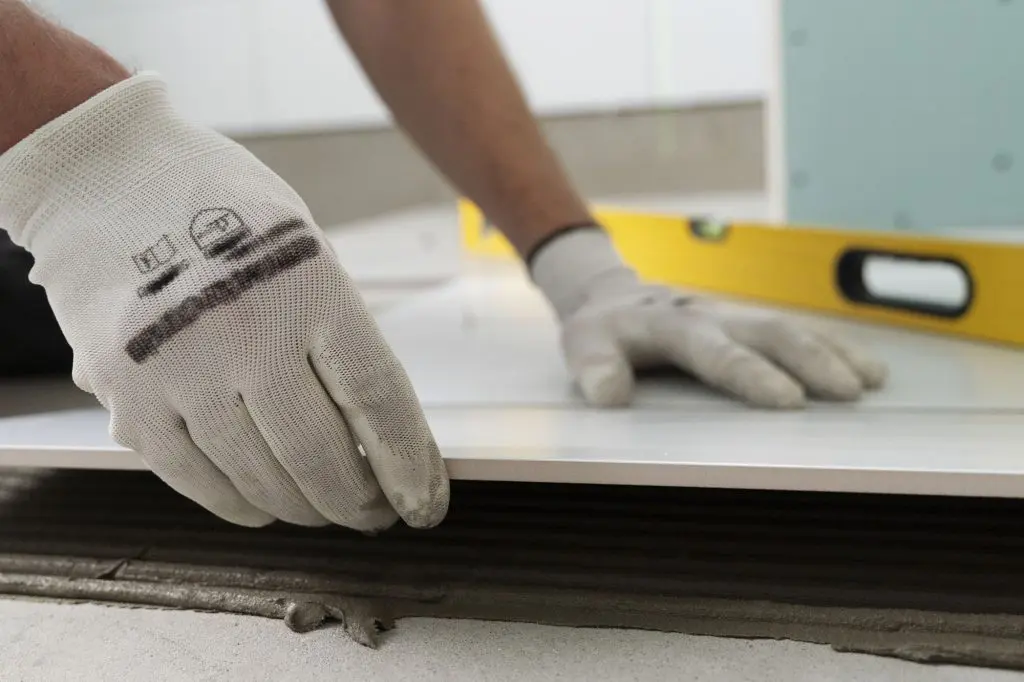
- Installing a waterproof membrane beneath the tile
- Reinforcing seams and transitions
- Ensuring proper slope in areas where water may collect
It’s a small investment upfront that prevents major repairs later.
Choose Moisture-Resistant Materials (They Matter More Than You Think)
Even with solid waterproofing, the materials you choose play a huge role in how your bathroom holds up over time.
Moisture Resistant Drywall
Standard drywall has no place in high-moisture areas. Moisture resistant drywall for bathrooms (often called “green board” or similar products) is designed to handle humidity without breaking down.
It’s not a replacement for waterproofing, but it adds an extra layer of protection in areas outside the shower.
Moisture Resistant Paint for Bathrooms
Paint might seem like a finishing touch, but it can make a big difference. Moisture resistant paint for bathrooms helps prevent peeling, bubbling, and mildew growth.
Look for paints specifically labeled for high-humidity spaces, often with built-in antimicrobial properties.
Moisture Resistant Shiplap for Bathroom Walls
Shiplap can add beautiful texture to a bathroom, but it needs to be used carefully. Moisture resistant shiplap for bathroom applications is typically sealed or made from materials designed to handle humidity.
Without proper sealing and ventilation, traditional wood shiplap can warp over time.
Moisture Resistant Beadboard for Bathroom Designs
Beadboard is another popular design feature, especially in classic or transitional bathrooms. Moisture resistant beadboard for bathroom use is either pre-treated or made from PVC or composite materials that won’t absorb water.
Again, proper installation and sealing are key.
Ventilation: The Step People Forget
You can have perfect waterproofing and still run into moisture problems if your bathroom isn’t properly ventilated.
A good exhaust fan helps remove steam from the air before it has a chance to settle into walls and ceilings. Without it, moisture lingers…and that’s when problems start.
Make sure your remodel includes:
- A properly sized exhaust fan for the space
- Correct venting to the outside (not just into an attic)
- Placement that effectively captures steam from the shower area
It’s one of the simplest ways to protect your bathroom long-term.
Pay Attention to the Small Details
Moisture problems often start in the smallest places—the ones that are easy to overlook.
A quality bathroom remodeling contractor will focus on details like:
- Sealing around plumbing penetrations
- Caulking joints between fixtures and walls
- Protecting corners and transitions
- Ensuring tight installation around vanities and tubs
These finishing touches might not be visible, but they’re critical in keeping moisture out.
Why Hiring the Right Contractor Matters
You can research how to waterproof a bathroom all day long, but execution is everything.
An experienced contractor understands how all the pieces work together—from waterproofing systems to material selection to ventilation. They don’t just install products; they build a moisture management system designed to last.
This is especially important in areas like Chicago, where seasonal humidity changes and older home structures can make bathrooms more vulnerable to moisture-related issues.
Cutting corners during installation might save money upfront, but it often leads to costly repairs later.
Signs Your Bathroom Remodel Didn’t Address Moisture Properly
If you’re dealing with an existing bathroom, there are a few warning signs that moisture isn’t being managed correctly:
- Peeling or bubbling paint
- Persistent musty odors
- Warped trim or flooring
- Mold spots on walls or ceilings
- Loose or cracking tile
These issues usually point to problems behind the surface—not just cosmetic wear and tear.
Build It Right From the Start
Avoiding moisture problems isn’t about one single product or step—it’s about taking a comprehensive approach from the very beginning of your bathroom remodel.
When waterproofing, materials, ventilation, and installation all work together, you get a bathroom that looks great and performs well for years to come.
If you’re planning a bathroom remodel in the Chicago area, working with a team that understands these details can make all the difference.
At Moller Builders, we take a behind-the-scenes approach seriously. From proper bathroom remodel waterproof systems to carefully selected moisture-resistant materials, every decision is made with longevity in mind.
Ready to start your project? Reach out today for a consultation. We’ll help you design a bathroom that stands up to daily life, not just day one.