Chicago’s older homes have a lot going for them: solid construction, established neighborhoods, original architectural details and layouts that have evolved over generations. But remodeling one can also reveal a second history hidden behind the walls.
The plumbing system may include pipes installed decades ago, repairs made by several different owners, abandoned lines from previous renovations or materials that are no longer commonly used. Sometimes everything works reasonably well until a remodeling project exposes what has been there all along.
That is why plumbing deserves attention early in a historic home remodel, particularly when renovating kitchens, bathrooms, basements or other areas where water and drain lines are involved.
Old House Plumbing is Rarely One Consistent System
One of the most common surprises in an older Chicago-area home is not necessarily that the plumbing is old. It is that different parts of it are different ages.
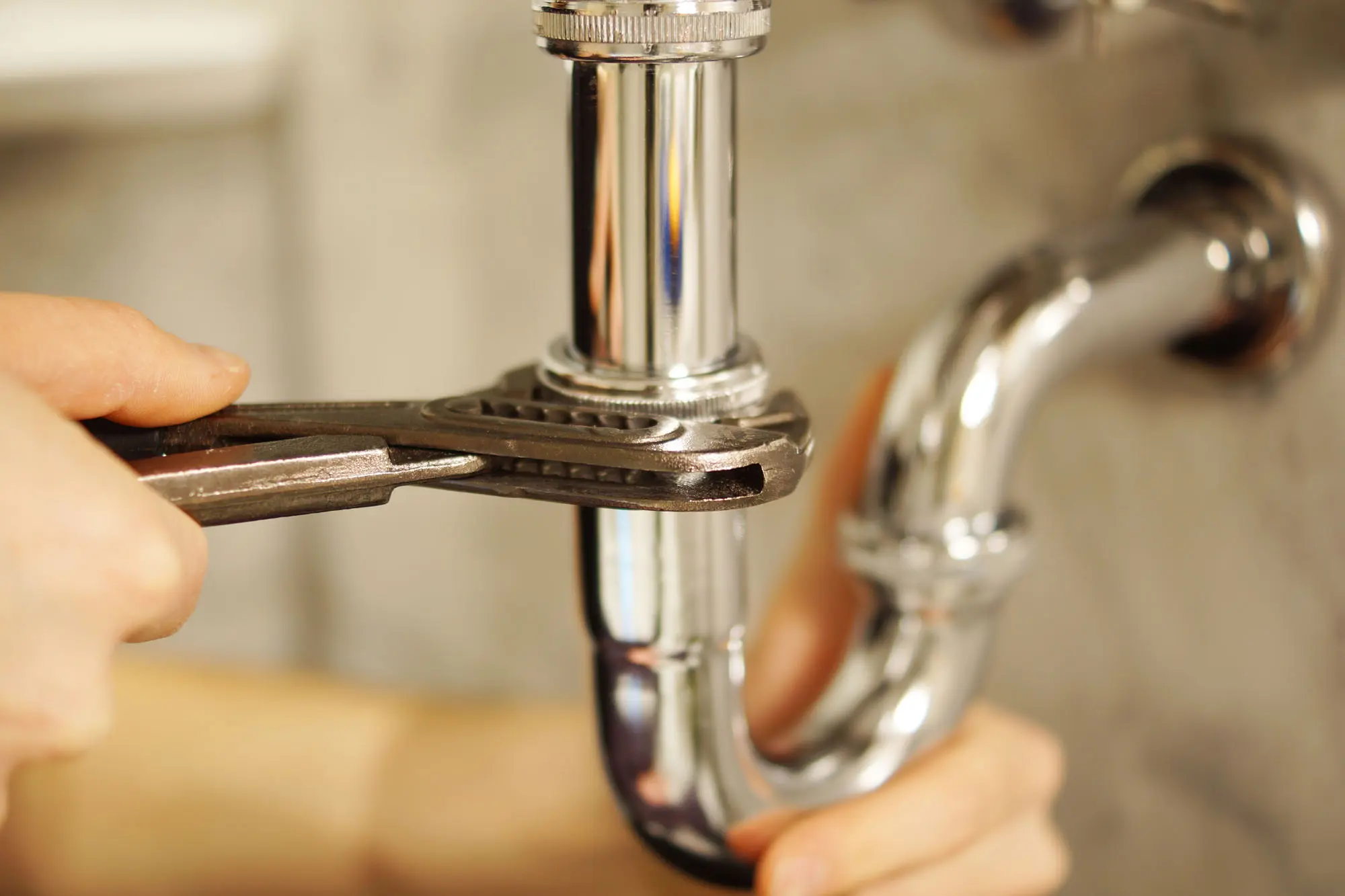
A house may have original cast iron drain lines, older galvanized supply pipes, newer copper in one bathroom and more recent plumbing added during a kitchen renovation. Previous owners may have replaced sections as problems occurred rather than updating the entire system. The result is a plumbing system that has essentially become a timeline of the house.
That matters during a plumbing remodel because the condition of one visible section does not always tell you what is happening elsewhere. Opening a wall may expose transitions between materials, aging fittings or previous repairs that need to be addressed before new finishes go in.
Galvanized Pipes Can Create Problems from the Inside Out
Galvanized steel piping is common in older housing stock and can be deceptive because deterioration frequently occurs inside the pipe. Over time, corrosion and mineral buildup can reduce the interior diameter. Homeowners may notice lower water pressure, inconsistent flow or discoloration, but sometimes the extent of the deterioration is not obvious until renovation begins.
This illustrates one of the benefits of replacing old pipes before problems become emergencies. If a kitchen or bathroom is already stripped to the studs, access is significantly easier than it will be after new tile, cabinetry and drywall are installed. Replacing questionable old house plumbing during the remodel may increase the project’s scope, but it can prevent having to tear into newly finished spaces later.
Cast Iron Drains Can Outlast Expectations, Until They Don’t
Cast iron was widely used for drain, waste and vent systems, and some installations have remained functional for many decades. Age alone does not necessarily mean every section needs immediate replacement. However, older cast iron can develop corrosion, cracks, buildup or deterioration around fittings. Sections hidden beneath floors or inside walls may be difficult to evaluate until construction begins.
This is particularly relevant during bathroom remodeling, basement work or projects that involve relocating fixtures. Once the existing drain system is exposed, its actual condition can be evaluated rather than assumed.
Previous Remodeling Can Be the Biggest Surprise
Not every old house plumbing issue is the result of age. Sometimes the surprise is what someone did to the house 20, 30 or 50 years ago. Older homes often have a long renovation history. A bathroom may have been added. A kitchen sink may have moved. A basement might have been finished and remodeled again. Each project had its own contractor, homeowner, budget and standards.
Opening walls can reveal unusual pipe routes, abandoned plumbing, improvised connections or work that would not meet current expectations. For homeowners undertaking historic home remodeling, this is one reason it is difficult to know exactly what a project will involve based solely on what is visible during the initial walkthrough.
Remodeling Around Existing Plumbing vs. Moving It
Plumbing can also influence design decisions. Keeping sinks, toilets, showers and other fixtures close to their existing locations can simplify a renovation. Remodeling around existing plumbing generally requires less disruption than completely reorganizing the room. But preserving an inconvenient layout solely to avoid plumbing work is not always the right decision.
Moving plumbing during a remodel may make sense if it substantially improves how the space functions. Moving a kitchen sink could create a better work area. Relocating bathroom fixtures could make room for a larger shower, double vanity or more accessible layout. The important question is not simply, “Can we move this?” It is what moving it requires. A drain line needs adequate routing and slope. Venting must be considered. Floor framing can limit where pipes can travel. In some homes, moving one fixture affects systems in rooms above or below it. That is where plumbing and remodeling need to be planned together rather than treated as separate parts of the project.
Opening the Walls Can Create an Opportunity
Finding aging plumbing during a renovation can feel like bad news, particularly when it was not part of the original plan. But construction access also creates an opportunity. Once walls, ceilings or floors are already open, homeowners may be able to replace deteriorating lines or correct previous work without causing the disruption that a standalone plumbing project would require.
This can be especially valuable when multiple bathrooms share plumbing walls or when a kitchen renovation exposes supply and drain lines serving other parts of the house. The goal is not to replace every old component simply because it is old. It is to determine what is still serviceable, what is approaching the end of its useful life and what would be unnecessarily difficult to address after the remodel is complete.
Plan for What You Can’t See
Some of the common problems in older homes are obvious before construction starts. Others are concealed behind plaster, tile, cabinets and flooring. A remodeling plan should account for that uncertainty.
For older Chicago homes in particular, it is wise to leave some room in the budget and schedule for conditions that cannot be confirmed until demolition begins. That does not mean assuming the worst. It means recognizing that a century-old home has had a century to accumulate repairs, renovations and changes.
As an experienced home remodeling team in Chicago, Moller Builders can investigate existing conditions and plan carefully, but no contractor can see through every finished wall. The most productive approach is to treat discoveries as part of working with an older building. When questionable plumbing, old pipes or outdated connections are uncovered, the renovation provides a chance to address them thoughtfully before everything is closed back up.
Remodeling an Older Chicago Home?
The Moller Group understands that remodeling an older home often involves more than updating what you can see. From evaluating existing conditions to coordinating plumbing, structural work and finishes, thoughtful planning helps protect both the new design and the home behind it.
Contact Moller Builders to discuss your Chicago-area remodeling project.