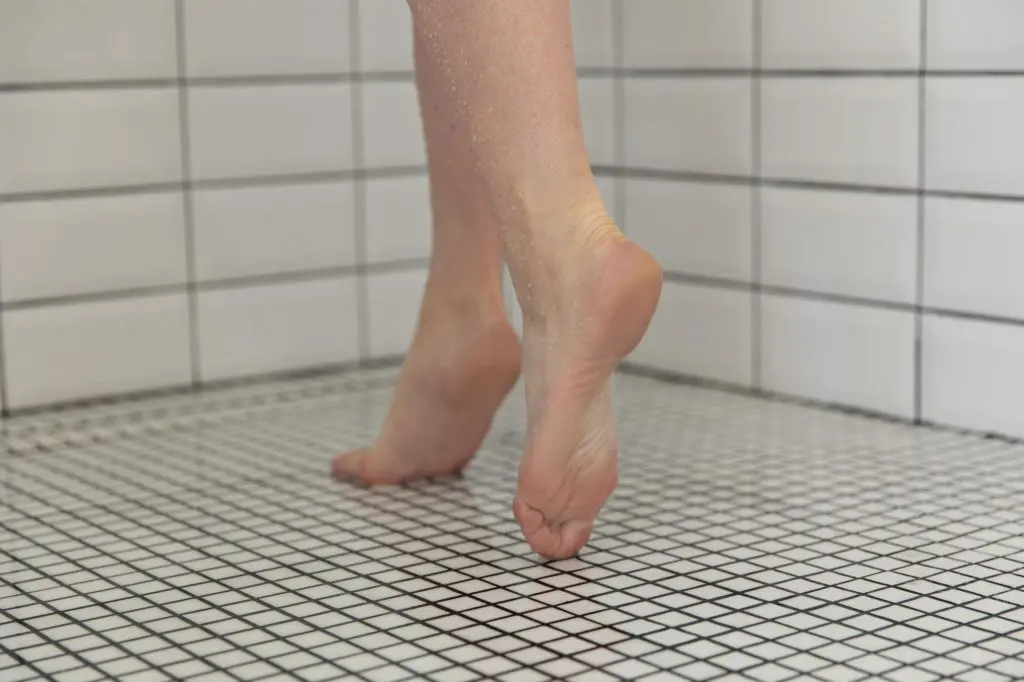
On a cold Chicago morning, stepping onto warm bathroom tile instead of an ice-cold floor can feel like a pretty significant upgrade. That alone is enough to make many homeowners consider heated bathroom floors during a remodel.
But comfort isn’t the only consideration. Homeowners also want to know how heated floors work, how long they last, whether they can help heat the room and, ultimately, whether heated bathroom floors are worth it.
At Moller Builders, we see radiant floor heating as one of those remodeling decisions that depends heavily on the home, the bathroom and the homeowner’s priorities. It isn’t essential for every project. But in the right Chicago bathroom, it can be an upgrade you appreciate nearly every day for a good portion of the year. Here’s what we recommend considering before adding heated floors to your bathroom remodel.
How Do Heated Bathroom Floors Work?
Most bathroom heated floors use an electric radiant heating system installed beneath the finished flooring. Electric heating cables or mats are placed below the tile and connected to a thermostat. Rather than heating the air from above, the system warms the flooring itself. That heat then radiates upward.
Tile is particularly well suited to radiant heating because it conducts and retains heat effectively. This is why heated bathroom tiles are such a popular combination. The system itself is largely invisible once the bathroom is complete. You simply control the temperature through a wall-mounted thermostat, with many modern systems allowing homeowners to schedule heating based on their routines.
Are Heated Bathroom Floors Worth It in Chicago?
Chicago is one of the places where heated bathroom floors can make a particularly noticeable difference. Tile naturally feels cold underfoot, and that becomes much more apparent during a Chicago winter. Radiant heating addresses that problem directly, creating a more comfortable floor surface without requiring a major visual change to the bathroom.
Whether it’s “worth it,” however, depends on how you use the space. In a primary bathroom you use every morning and evening, heated floors can be a worthwhile comfort upgrade. The same may be true for a frequently used family bathroom. In a small guest bathroom that gets occasional use, the added expense may be harder to justify. As Chicago remodelers, we generally recommend thinking about heated flooring as a long-term comfort feature rather than something every bathroom automatically needs.
Do Heated Floors Heat the Room?
This is an important distinction. Heated bathroom floors produce radiant heat, and that warmth can contribute to the overall comfort of the room. Depending on the size of the system, insulation and characteristics of the space, you may notice that the bathroom itself feels warmer. However, a heated floor should not automatically be assumed to replace the bathroom’s primary heating system.
When we evaluate radiant heating for a remodel, we look at it as part of the bathroom’s overall comfort strategy. The existing HVAC system, room size, exterior walls, windows and insulation can all influence how warm the bathroom feels during winter. If your bathroom is consistently cold, it’s worth determining why rather than assuming a heated floor alone will solve the problem.
Can You Put Heated Floors in the Shower?
Radiant heating can sometimes be extended into a shower, but this is one area where proper product selection, waterproofing and installation become especially important. Not every floor heating product is intended for wet locations. A shower also has additional construction considerations, including the waterproofing system, drain and slope of the shower floor. When homeowners ask us whether they can put heated floors in the shower, our answer is that it needs to be planned as part of the complete shower assembly from the beginning. This isn’t a feature we would recommend trying to add as an afterthought.
How Are Heated Floors Installed in a Bathroom?
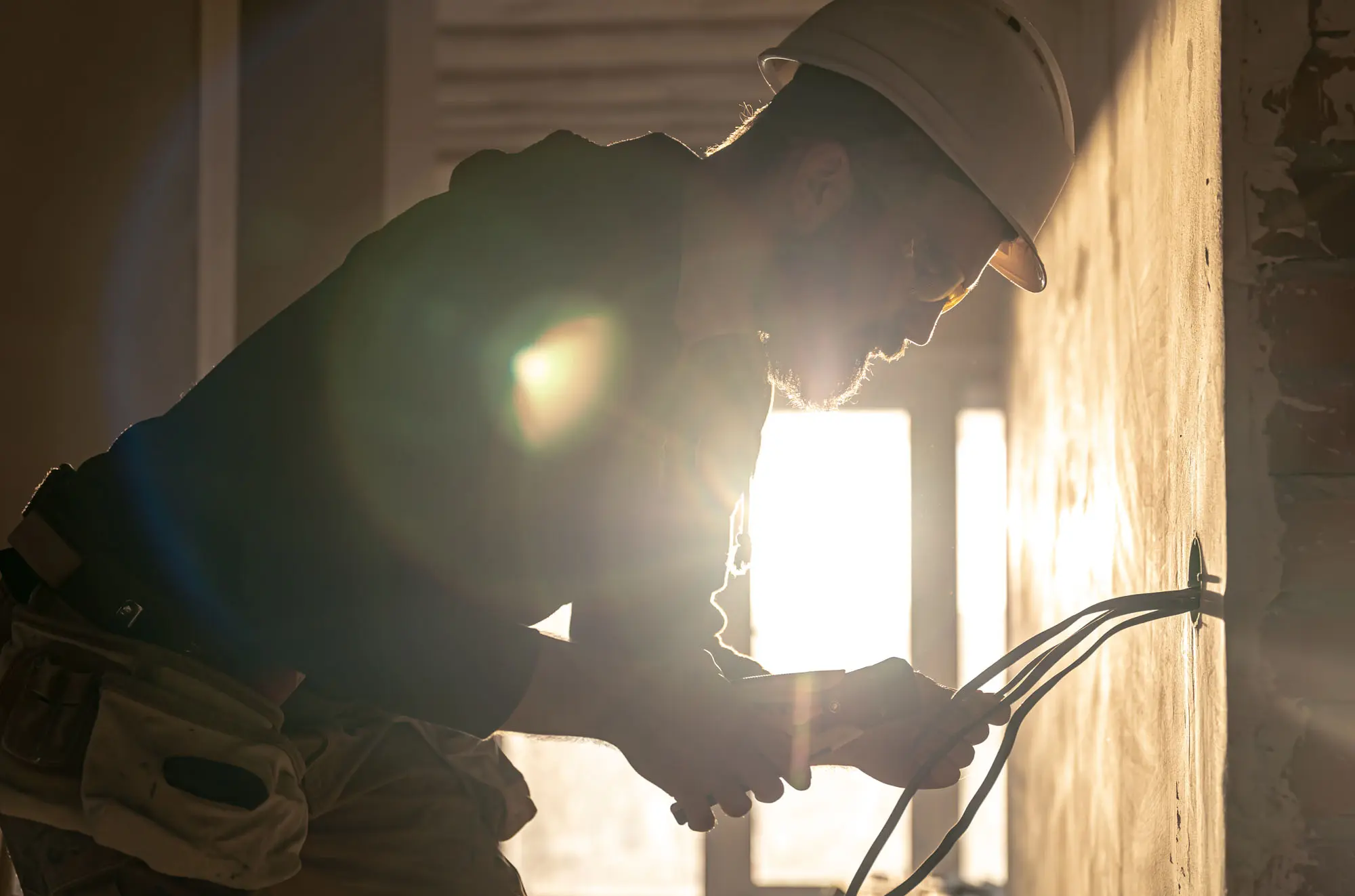
Understanding how to install heated floors in a bathroom also helps explain why a remodel is usually the best time to add them. The heating system needs to go beneath the finished flooring, which means adding it to an existing bathroom typically requires removing the tile.
During a full bathroom remodel, the floor is already being rebuilt. That creates a natural opportunity to incorporate the heating system into the floor assembly before the new tile goes down.
The layout also needs to be planned carefully. Heating elements aren’t simply spread across every square inch of the room. Permanent fixtures and cabinetry can affect where heating should be installed, and the electrical requirements need to be coordinated as part of the project. Planning early allows the heating system, flooring, electrical work and other components to work together rather than competing for space.
How Long Do Heated Floors Last?
One of the advantages of electric radiant floor heating is that there are relatively few moving parts. When quality materials are installed correctly, the heating elements beneath the floor can have a long service life. Many systems are designed to last for decades, although actual lifespan depends on the product and installation.
The important consideration is accessibility. Once the tile is installed, the heating elements are underneath a finished floor that you don’t want to tear apart. That makes careful installation and testing particularly important. We want to know that the system is functioning correctly before the final flooring installation is complete. Thermostats and controls are much easier to access and may eventually need replacement without disturbing the tile itself.
What Else Should You Consider?
Heated flooring does add cost to a bathroom remodel, so we encourage homeowners to think about where it falls on their priority list. If the budget is limited, structural repairs, waterproofing, ventilation and high-quality installation should generally take priority over comfort features. Those elements affect the long-term performance of the bathroom.
Once those fundamentals are covered, heated flooring can be an excellent upgrade. It may be particularly appealing if you’re already investing in a custom primary bathroom, plan to stay in the home for many years or simply know that cold tile is something you’ll notice every winter.
The Best Time to Decide Is Before Construction
Heated bathroom floors are much easier to incorporate when they’re considered during the design phase rather than after construction has started.
At Moller Builders, we help Chicago-area homeowners look at these decisions in the context of the entire remodel. That means considering the floor assembly, electrical requirements, tile selection, bathroom layout and heating needs together.
So, are heated bathroom floors worth it in Chicago? For many homeowners, yes. They’re not a necessity, and they won’t be the right use of budget in every bathroom. But in a city where cold floors can be a reality for months at a time, radiant heating is one of those upgrades that can make a finished bathroom noticeably more comfortable every single winter.
Considering heated floors for your bathroom remodel? Moller Builders can help you decide whether radiant heating makes sense for your space, budget and long-term plans. Contact our Chicago-area remodeling team to start planning your bathroom.