Technology is transforming the way people interact with their homes. For individuals with mobility challenges, aging homeowners, and families supporting loved ones with disabilities, smart home technology can dramatically improve independence, safety, and daily comfort.
Today’s smart home accessibility tools go far beyond convenience. Voice commands, automated lighting, remote-controlled doors, and smart security systems are helping homeowners create accessible home design solutions that adapt to their needs.
If you’re planning accessibility upgrades or exploring handicap accessible home designs, smart technology can play a powerful role in making a home safer and easier to navigate.
What Is Smart Home Technology?
Many homeowners ask, what is smart home technology exactly?
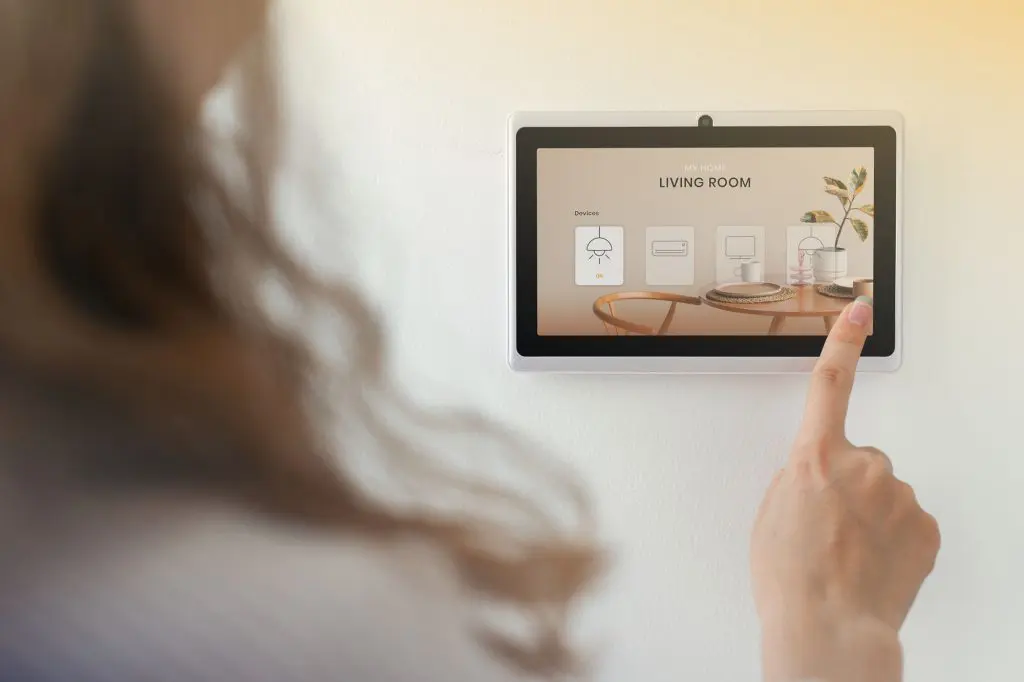
Smart home technology refers to devices and systems connected through the internet that allow homeowners to control household functions remotely or automatically. These systems can often be controlled through:
- Smartphones
- Tablets
- Voice assistants
- Automation schedules
Common examples include:
- Smart thermostats
- Voice-controlled lighting
- Video doorbells
- Automated locks
- Motorized blinds
- Smart appliances
While these features are often marketed as lifestyle upgrades, they can also be essential tools for smart home accessibility, especially for individuals with limited mobility or physical challenges.
Why Smart Technology Matters for Accessible Homes
Accessibility is about removing barriers. In traditional homes, everyday tasks like turning on lights, adjusting the thermostat, or opening the door can become difficult for someone with mobility limitations.
Smart home systems eliminate many of these obstacles.
For example, homeowners can:
- Turn lights on with a voice command
- Unlock the front door remotely
- Adjust room temperature without reaching a thermostat
- Monitor home security from a smartphone
- Control blinds, fans, and appliances from anywhere
When incorporated into accessible home design, these features reduce the need for physical movement and help homeowners maintain independence.
Smart Home Accessibility Features That Make the Biggest Difference
Not all smart home features are equally helpful for accessibility. Some technologies provide especially meaningful benefits for individuals with mobility limitations.
Voice-Controlled Home Systems
Voice assistants like Alexa, Google Assistant, and Apple’s Siri allow homeowners to control multiple systems with simple commands.
Users can:
- Turn lights on or off
- Adjust thermostats
- Lock doors
- Control televisions
- Set reminders or timers
For individuals who use wheelchairs or have difficulty reaching switches, voice control is one of the most powerful smart home technology tools available.
Smart Lighting Systems
Lighting is essential for safety, especially for individuals with mobility challenges or visual impairments.
Smart lighting allows homeowners to:
- Control lights with voice commands
- Schedule lights to turn on automatically
- Adjust brightness levels
- Control lighting remotely
Motion-activated lights can also help prevent falls by automatically illuminating hallways or bathrooms at night.
These features are commonly integrated into handicap accessible home designs because they remove the need to reach wall switches.
Smart Door Locks and Entry Systems
Opening doors can be difficult for wheelchair users or individuals with limited strength or dexterity.
Smart locks and video doorbells allow homeowners to:
- Unlock doors remotely
- Grant access to caregivers or family members
- View visitors through a smartphone or smart display
- Use keyless entry systems
For many homeowners, this technology improves both accessibility and security.
Smart Thermostats
Reaching a thermostat can be challenging, especially if it’s mounted on a high wall.
Smart thermostats allow homeowners to adjust temperature settings through:
- Smartphone apps
- Voice commands
- Automated schedules
Many systems also learn household habits and automatically adjust heating and cooling to maintain comfort.
This type of smart home accessibility feature improves comfort without requiring physical adjustments.
Motorized Window Treatments
Opening and closing blinds or curtains can be difficult for individuals with mobility limitations.
Motorized window treatments allow homeowners to:
- Adjust blinds using voice commands
- Control sunlight levels remotely
- Set automatic schedules for morning and evening
These features are increasingly popular in accessible home design because they eliminate another small but important daily task.
Integrating Smart Technology into Accessible Home Design
Smart devices work best when they are incorporated into a broader accessibility plan.
For example, combining smart home technology with structural improvements creates a fully accessible living environment. This might include:
- Wheelchair ramps or zero-step entries
- Wider doorways
- Accessible bathrooms
- Lowered countertops
- Open floor plans
When paired with automation systems, these design choices help homeowners move through their homes more safely and comfortably.
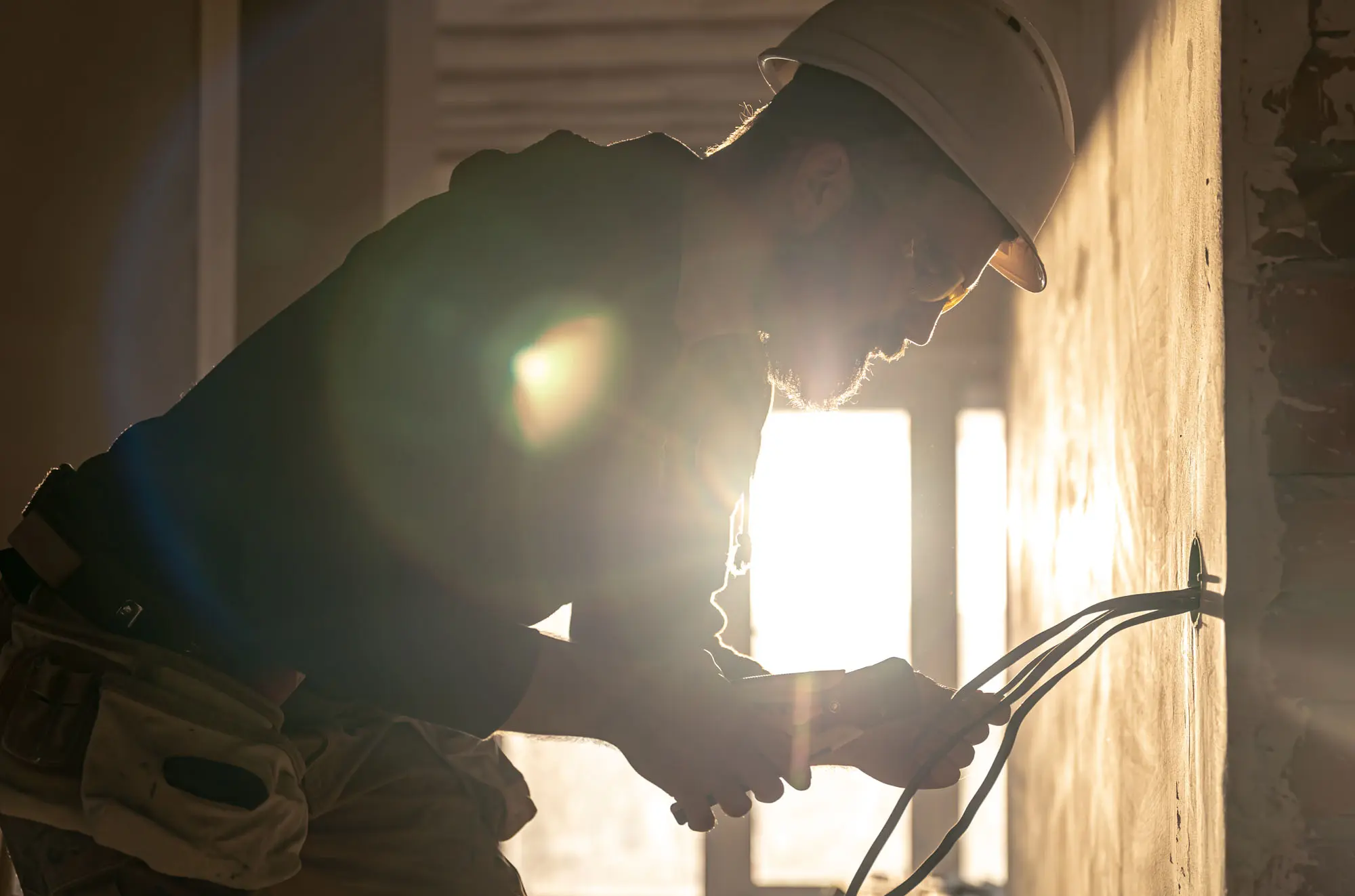
Experienced contractors who specialize in handicap accessible home designs can help homeowners integrate smart technology during renovations or remodeling projects.
Smart Home Technology Trends Improving Accessibility
The future of accessibility is increasingly tied to innovation. Several smart home technology trends are making homes more adaptable than ever.
AI-Powered Automation
Artificial intelligence is helping homes learn routines and automatically adjust lighting, climate, and appliances based on daily habits.
Health Monitoring Systems
Some smart home devices now track health metrics, detect falls, and alert caregivers if assistance is needed.
Integrated Smart Home Hubs
Smart hubs allow homeowners to control multiple systems—lighting, security, climate, and appliances—from a single interface.
Remote Caregiver Access
Caregivers and family members can monitor security cameras, adjust home settings, and receive alerts through shared apps.
These advancements are expanding what’s possible in smart home accessibility, helping individuals remain safely in their homes longer.
Planning Accessibility Upgrades for the Future
For many Illinois homeowners, accessibility planning begins with a specific need—but it often evolves into a long-term strategy for aging in place.
Adding smart home technology during remodeling projects can prepare homes for future mobility challenges while also improving everyday convenience.
A contractor experienced in accessible home design can help homeowners evaluate:
- Which technologies provide the most benefit
- How smart devices integrate with structural upgrades
- Where automation can improve safety and independence
Creating Homes That Work for Everyone
Accessibility isn’t just about meeting basic needs—it’s about creating homes that adapt to the people who live in them.
With today’s smart home technology, homeowners have more tools than ever to build safer, more comfortable living spaces. When paired with thoughtful design and experienced contractors, smart home accessibility solutions can transform a house into a home that truly works for everyone.
Ready to build a smarter accessible home? Contact Moller Builders today. We can help you design or remodel your home with accessibility in mind, all while incorporating smart, assistive technology.