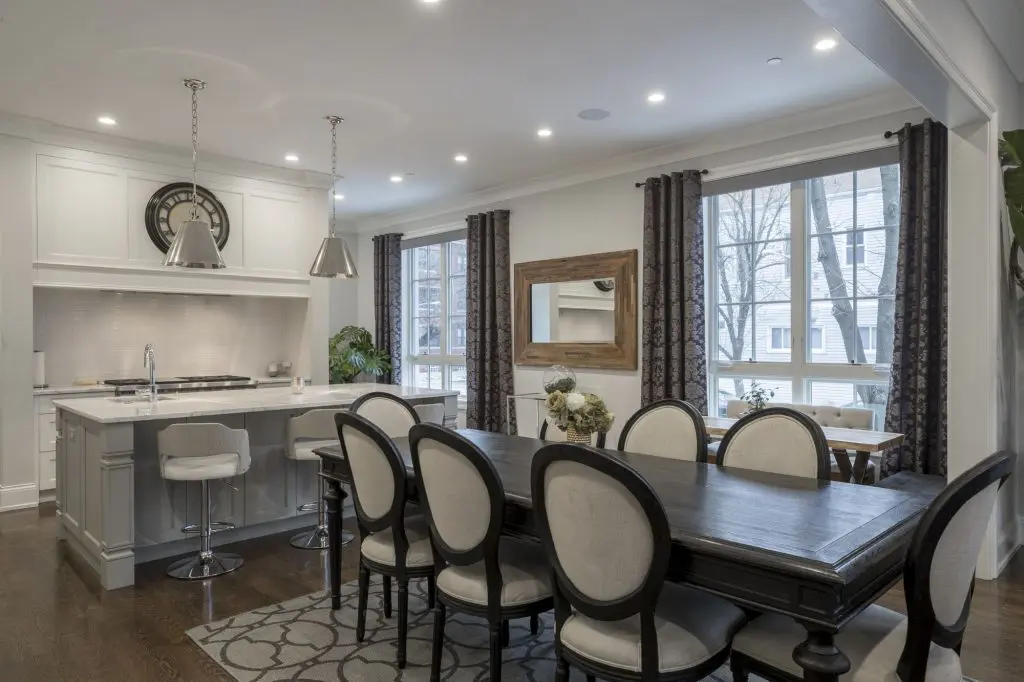
When homeowners plan a remodel, they tend to focus on finishes first. Cabinets, tile, flooring, countertops, paint colors, and fixtures usually get most of the attention. Lighting often becomes something selected near the end of the process. But thoughtful home lighting design can have just as much impact on how a home looks and feels as the materials themselves.
The right lighting makes rooms feel warmer, larger, more functional, and more comfortable to spend time in. Poor lighting, on the other hand, can make even a beautiful remodel feel flat or frustrating to use. Whether you are remodeling a kitchen, bathroom, basement, or outdoor space, intentional lighting in home design can dramatically improve the final result.
Home Lighting Design Is About More Than Brightness
Most homeowners think of lighting as purely functional. You flip a switch, the room lights up, and that is the end of the conversation. But great home interior lighting design is really about shaping how people experience a space. That’s because lighting affects mood, comfort, visibility, and functionality. It influences how large a room feels, how welcoming it seems, and even how practical it is for daily activities.
For example, a kitchen with a single overhead fixture may technically be bright enough, but shadows across countertops can make food prep difficult. A bathroom with harsh lighting may feel clinical instead of relaxing. This is why lighting design in homes deserves attention early in the remodeling process rather than being treated as an afterthought.
The Benefits of Layered Lighting in Home Design
One of the biggest reasons lighting matters is because good spaces rarely rely on one light source alone. The benefits of layered lighting in home design become obvious when homeowners start thinking about how they actually use a room throughout the day.
Layered lighting combines several types of illumination:
- Ambient lighting provides overall brightness for the room. Recessed fixtures, ceiling lights, and natural daylight often serve this role.
- Task lighting focuses on activities like cooking, reading, grooming, or working. Under-cabinet lighting, vanity lighting, and focused pendants are common examples.
- Accent lighting creates warmth and visual interest. Wall sconces, cabinet lighting, shelf lighting, and subtle architectural lighting help spaces feel finished.
Together, these layers create a room that feels balanced instead of overly bright in some places and dark in others. This approach is especially important in Chicago homes, where darker winters and shorter days mean homeowners spend much of the year relying heavily on artificial light.
Kitchen Lighting Ideas That Improve Function and Style
Few spaces benefit more from thoughtful home lighting design ideas than kitchens. Kitchens are highly functional rooms that need lighting to support cooking, cleaning, entertaining, and everyday family life. Unfortunately, many older kitchens rely on a single ceiling fixture that creates shadows and uneven brightness.
Good kitchen lighting ideas often combine several elements. Kitchen ceiling lighting ideas such as recessed fixtures help distribute light evenly throughout the room. Kitchen island lighting ideas frequently include pendants positioned over seating or prep areas to improve visibility while adding visual character. Kitchen island lighting can also help define open-concept spaces, creating separation between cooking and gathering zones without adding walls.
Even smaller details matter. Over kitchen sink lighting is frequently overlooked, but adding focused lighting above the sink can improve visibility for cleanup and prep tasks. In some remodels, a pendant light over kitchen sink areas can become both functional and decorative.
When layered correctly, kitchen lighting supports the way homeowners actually live instead of simply making the room brighter.
Bathroom Lighting Makes a Bigger Difference Than Most People Expect
Bathrooms are another area where lighting is commonly underestimated. Poor lighting can make everyday routines harder and affect how comfortable the space feels overall. Harsh overhead lighting may cast shadows while applying makeup, shaving, or getting ready in the morning. That is why thoughtful bathroom lighting ideas matter.
Many remodels now combine multiple bathroom light fixtures to improve both functionality and ambiance. Bathroom vanity lights placed at eye level or beside mirrors can reduce shadows and create more flattering illumination than ceiling fixtures alone. A bathroom mirror with lights may also improve visibility while contributing to a more polished, contemporary look.
Some homeowners prefer a combination of recessed lighting, sconces, and vanity fixtures to create flexibility throughout the day. Bright lighting may be ideal for mornings, while dimmable lighting can create a softer atmosphere in the evening. Well-designed bathroom lighting makes spaces feel calmer, brighter, and easier to use.
Exterior Home Lighting Design Improves Safety and Curb Appeal
Lighting should not stop at the back door. Exterior home lighting design plays a major role in how a property looks, functions, and feels after dark. In Chicago, where winter sunsets come early, exterior lighting often becomes essential for safety and convenience.
Thoughtful outdoor home lighting design can include pathway lighting, porch fixtures, stair lighting, garage lighting, deck illumination, and landscape accents. These additions improve visibility and make homes feel safer while also enhancing curb appeal.
Well-planned outdoor lighting can also extend how homeowners use patios, pergolas, outdoor kitchens, and gathering spaces. A backyard becomes much more inviting when lighting is designed for comfort rather than relying on a harsh floodlight. Subtle, layered outdoor lighting generally works best. The goal is warmth, visibility, and atmosphere.
Smart Lighting Adds Flexibility
Another reason lighting deserves more attention during remodels is technology. Today’s systems allow homeowners to control brightness, create lighting scenes, automate schedules, and customize spaces for different activities.
Kitchen lights can become brighter during cooking and softer for dinner. Bathroom lighting can shift from bright morning functionality to relaxing evening settings. Even modest upgrades like dimmers, motion sensors, or programmable outdoor lighting can improve everyday comfort. Planning for these options during a remodel is usually easier and more affordable than retrofitting them later.
Don’t Let Lighting Become an Afterthought
A beautiful remodel deserves lighting that supports it. Whether you are exploring home lighting design for a kitchen renovation, bathroom remodel, basement update, or exterior project, lighting choices influence how comfortable, functional, and welcoming your home feels. The best remodeling projects consider lighting from the start, balancing beauty with usability through thoughtful planning.
If you are remodeling and want expert guidance on home lighting design, exterior home lighting design, or a custom renovation tailored to your lifestyle, Moller Builders can help. Contact us for a free consultation and let’s design a home that looks just as good at night as it does during the day.