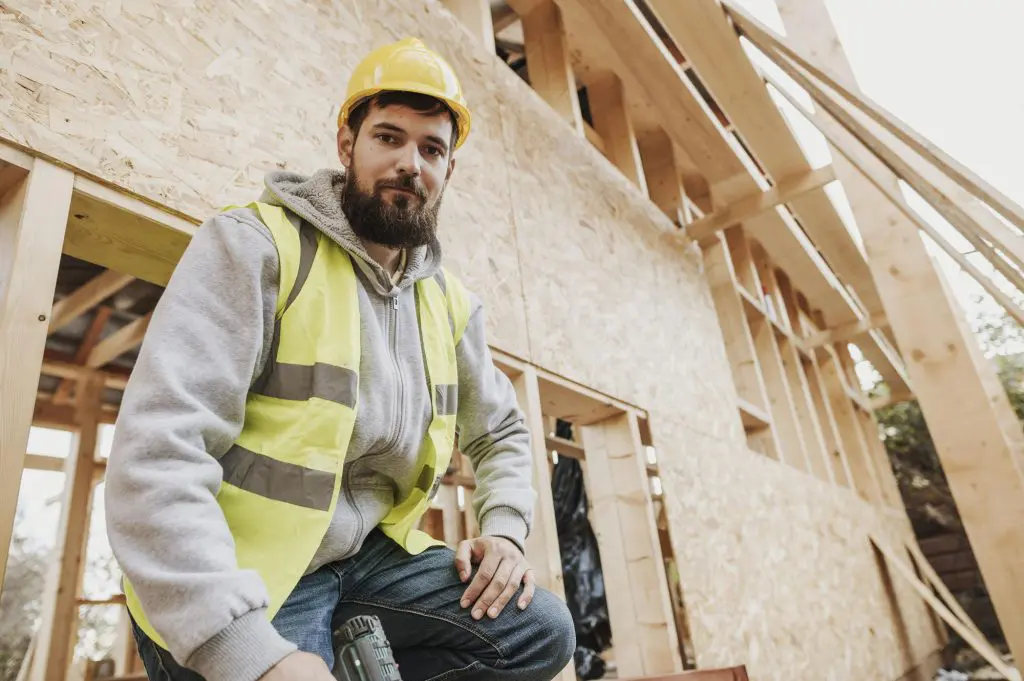
Home construction and remodeling projects have a lot of moving parts. Plans need to be developed, materials ordered, permits secured, trades scheduled, and dozens of decisions made before and during construction. When those pieces are handled by separate teams, even a relatively straightforward project can run into delays.
That is one reason many homeowners choose the design-build approach. By bringing design and construction under one team, design-build construction can create a more coordinated process from the earliest planning stages through the final walkthrough.
While no construction method can guarantee that a project will never encounter an unexpected delay, a well-managed design-build project has several advantages when it comes to keeping the schedule moving.
What Is Design-Build Construction?
In a traditional construction model, the homeowner typically hires an architect or designer first. Once the plans are complete, contractors bid on the project, and the homeowner selects a builder to carry out the work. Design-build takes a different approach.
With design-build construction, one company or team is responsible for both the design and construction portions of the project. Designers, estimators, project managers, and construction professionals can collaborate throughout the design and build process rather than completing their work in separate stages.
For homeowners comparing the difference between design-build and design-bid-build, that integration is one of the most important distinctions. Design-bid-build is generally more sequential: design first, bidding second, construction third. Design-build allows many of those conversations and planning tasks to overlap. That can make a significant difference in the project schedule.
Construction Expertise Is Involved Earlier
One of the biggest scheduling advantages of design-build happens before construction even begins. When a project is designed independently and then handed to a contractor, the builder may discover issues that were not obvious during the design phase. Certain materials may have unusually long lead times. A structural detail may be difficult to build as drawn. A design choice may push the project beyond the established budget. Those discoveries can send the project back to the drawing board.
With design-build, construction professionals can provide input while plans are still being developed. Instead of discovering a problem after the drawings are finished, the team can often identify it early and adjust accordingly. That means fewer surprises when it is finally time to build.
Design and Budget Decisions Happen Together
Budget problems frequently become schedule problems. Imagine spending months developing plans only to discover that the completed design is significantly more expensive than anticipated. The homeowner may then need to reconsider materials, change layouts, remove features, or have portions of the project redesigned.
Every round of revisions takes time. In a design-build project, estimating can happen throughout the design process. As decisions are made, the construction team can evaluate how those choices may affect the overall cost and scope.
If something is likely to push the project beyond the target budget, alternatives can be discussed before the design moves too far forward. This ongoing feedback helps homeowners make informed decisions while reducing the risk of major redesigns later.
There Is Less Waiting Between Project Phases
The traditional design-bid-build process usually involves clearly separated phases. The design is completed, contractors are invited to bid, bids are reviewed, a contractor is selected, contracts are finalized, and then construction planning begins. Each transition adds time.
Design-build can streamline those handoffs because the construction team is already involved. While the design is being finalized, the builder may be able to begin working on scheduling, pricing, material selections, subcontractor coordination, and other preconstruction tasks. Not everything can or should happen simultaneously, but overlapping appropriate parts of the process can reduce downtime between major project phases.
Long-Lead Materials Can Be Identified Earlier
Material availability has become an increasingly important part of construction scheduling. Custom cabinetry, windows, doors, specialty fixtures, appliances, and certain finishes may require significant lead time. If those lead times are discovered late, construction can stall while everyone waits for materials to arrive.
Because design and construction planning happen together in a design-build model, the team can identify long-lead items earlier. Homeowners can make selections sooner, and orders can be coordinated with the anticipated construction schedule.
If a particular product will not arrive in time, the team also has an opportunity to discuss alternatives before it becomes a jobsite problem. For Chicago home builders, this type of advance planning can be particularly valuable when projects also have to account for permitting, inspections, weather, and the scheduling demands of specialized trades.
Communication Is More Direct
Construction delays are not always caused by major problems. Sometimes they come from small communication gaps. A contractor needs clarification from the architect. The architect needs information from the homeowner. A subcontractor is waiting for an updated drawing. Someone needs to confirm a material selection before an order can be placed.
A few days here and a few days there can quickly add up. With design-build, the people responsible for design and construction are working as part of the same overall team. Questions can often be addressed internally instead of being passed between several independent companies.
For the homeowner, that also creates a clearer line of communication. Rather than trying to coordinate the designer, architect, contractor, and various consultants independently, there is greater accountability within one team.
Problems Can Be Solved More Efficiently During Construction
Even the best-planned construction project can encounter something unexpected. This is especially true when remodeling older Chicago-area homes, where opening a wall may reveal outdated wiring, plumbing issues, structural conditions, or previous renovations that were not documented. The goal is not to pretend those surprises will never happen. It is to have a process for addressing them efficiently.
In a design-build project, the design and construction teams already understand the project and have been collaborating from the beginning. When a field condition requires a design adjustment, the right people can work together to develop a solution without introducing an entirely new team into the conversation. Faster problem-solving can help prevent one unexpected condition from creating a much larger scheduling setback.
Better Scheduling Starts With Better Planning
Whether you are planning a major remodel, an addition, or working with new home builders in Chicago to create a custom home, the construction schedule begins long before anyone arrives on site.
Design-build improves scheduling by creating collaboration earlier in the process. Design, budgeting, material selection, construction planning, and scheduling are treated as connected parts of the same project rather than separate steps.
That does not eliminate every potential delay. Weather, permitting, inspections, material availability, and unforeseen site conditions can still affect a project. But when the entire team is working from the same plan from the beginning, there are fewer opportunities for avoidable delays caused by miscommunication, redesign, or poor coordination.
At Moller Builders, our design-build approach allows us to look at the entire project from the start, balancing your vision with budget, constructability, materials, and scheduling. Whether you are remodeling your existing home or searching for an experienced Chicago home builder for a new construction project, thoughtful planning can make the process smoother from design through completion.
Ready to start planning your project? Contact Moller Builders to talk about your goals and learn how our design-build process can help turn your ideas into a well-planned, well-executed home.